
The Truth About Foundation Cracks: When to Worry and When to Wait
Not every foundation crack is a sign of trouble, but some deserve attention.
At Sherrill Structural Repair, one of the most common questions we hear is, "Should I be worried about this foundation crack?" Discovering a crack in your foundation can trigger immediate panic. Your mind starts racing: Is my house sinking? Will this cost thousands of dollars? Should I call someone right now?
Foundation cracks are surprisingly common, especially in the South where changing moisture levels, clay soils, and seasonal weather shifts can affect the soil beneath a home.
The good news? Not every crack signals a major structural problem.
Let's take a closer look at the difference between cracks that deserve attention and cracks that can simply be monitored.
Why Foundation Cracks Happen
Homes naturally settle over time. As the soil beneath your house expands and contracts with changing moisture levels, the foundation may shift slightly. These small shifts can lead to cracks.
Some common causes include:
1. Natural settling of the home
2. Seasonal expansion and contraction of soil
3. Heavy rainfall followed by dry periods
4. Poor drainage around the foundation
5. Tree roots affecting soil moisture levels
Understanding the cause of a crack is often more important than the crack itself.
Foundation Cracks That Are Usually Not Serious
While every situation is unique, some cracks are generally considered normal signs of settling. Even when cracks appear harmless, it's still a good idea to monitor them over time.
Here are a few types of foundation cracks that are often less concerning:
Hairline Cracks
Thin, narrow cracks that are less than 1/8 inch wide are often cosmetic and may not indicate structural issues.
Small Shrinkage Cracks
Concrete naturally shrinks as it cures. Minor shrinkage cracks may appear in newer foundations and are typically not a sign of foundation failure.
Vertical Cracks
Vertical cracks that run up and down a foundation wall are commonly caused by normal settlement and are often less concerning than other crack patterns.
Foundation Cracks That Deserve Attention
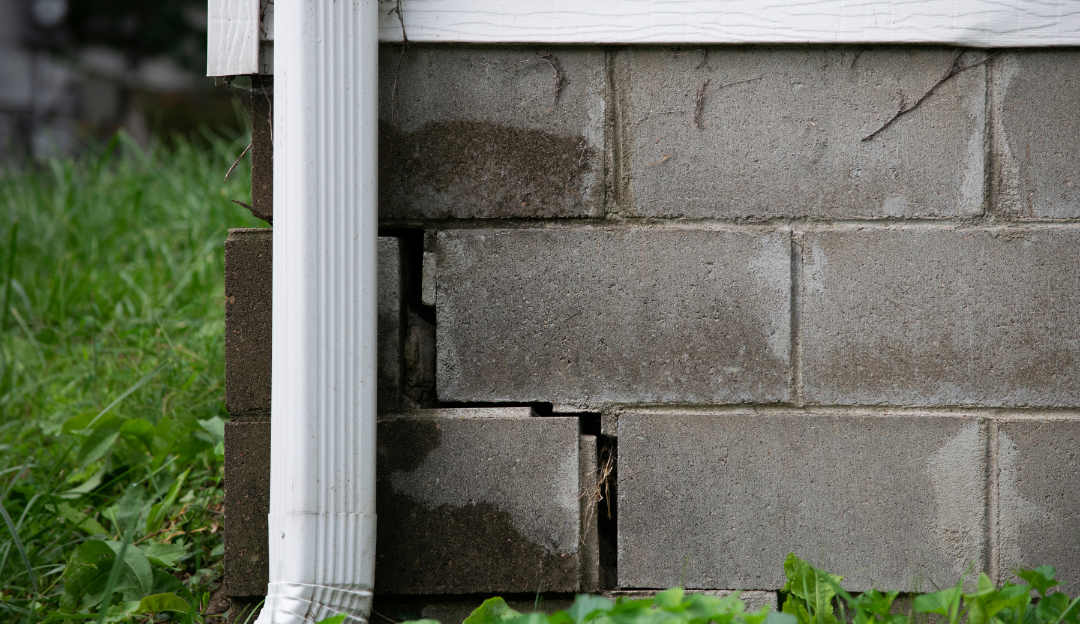
Certain cracks can indicate movement that should be evaluated by a professional.
Horizontal Cracks
Horizontal cracks along foundation walls may suggest pressure from expanding soil pushing against the wall. These cracks should be inspected promptly.
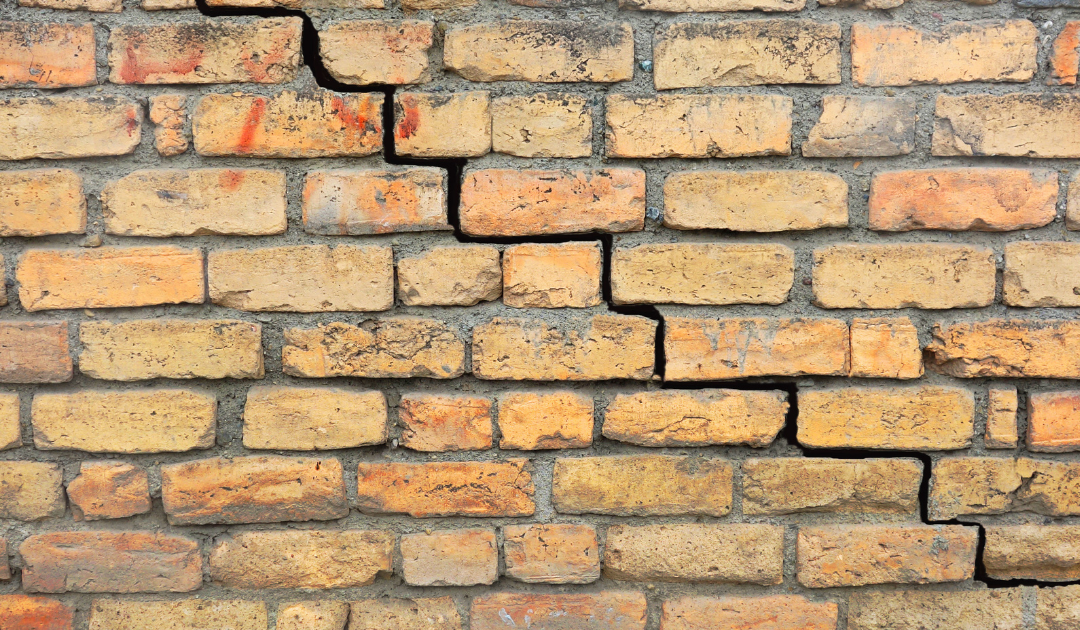
Stair-Step Cracks
Commonly found in brick or block foundations, stair-step cracks can signal uneven settlement.
Wide or Expanding Cracks
Cracks wider than 1/4 inch or cracks that continue to grow over time may indicate ongoing foundation movement.
Cracks Accompanied by Other Symptoms
Pay close attention if you notice:
1. Doors or windows sticking
2. Floors that slope or feel uneven
3. Gaps around door frames
4. Cracks appearing in drywall
5. Water intrusion in crawl spaces or basements
These signs, combined with foundation cracks, may point to a larger structural issue.
Why Waiting Isn't Always a Bad Thing
One of the biggest misconceptions homeowners have is that every foundation crack requires immediate repair.
In reality, some cracks simply need to be observed over time. Understanding whether a crack is stable or changing can help determine whether the issue is cosmetic or something more significant.
At Sherrill Structural Repair, we've inspected many homes where immediate repairs were not necessary. Sometimes the most honest recommendation is to monitor the crack, address drainage concerns, and watch for any changes.
The best solution may simply be to gather more information before making a decision.
What You Can Do Right Now
If you've found a crack in your foundation, don't panic. There are a few simple steps you can take to help determine whether the crack is stable or actively changing:
1. Take clear photos of the crack.
2. Measure the width of the crack.
3. Mark the ends of the crack with a pencil and write down the date.
4. Check the area periodically to see if the crack has changed.
5. Address any drainage issues around your home.
These simple steps can help you track changes over time and provide valuable information if a foundation inspection becomes necessary.
When It's Time to Call a Professional
If you're unsure whether a foundation crack is cause for concern, a professional inspection can provide clarity and peace of mind. An experienced structural repair specialist can evaluate the crack, identify its cause, and recommend the most appropriate next steps.
At Sherrill Structural Repair, we believe homeowners deserve honest answers. Sometimes a repair is needed. Sometimes monitoring the crack is the best course of action.
If you have questions about a foundation crack in your home, contact our team for an honest evaluation and expert guidance you can trust.