What Actually Happens During a Structural Inspection?
-
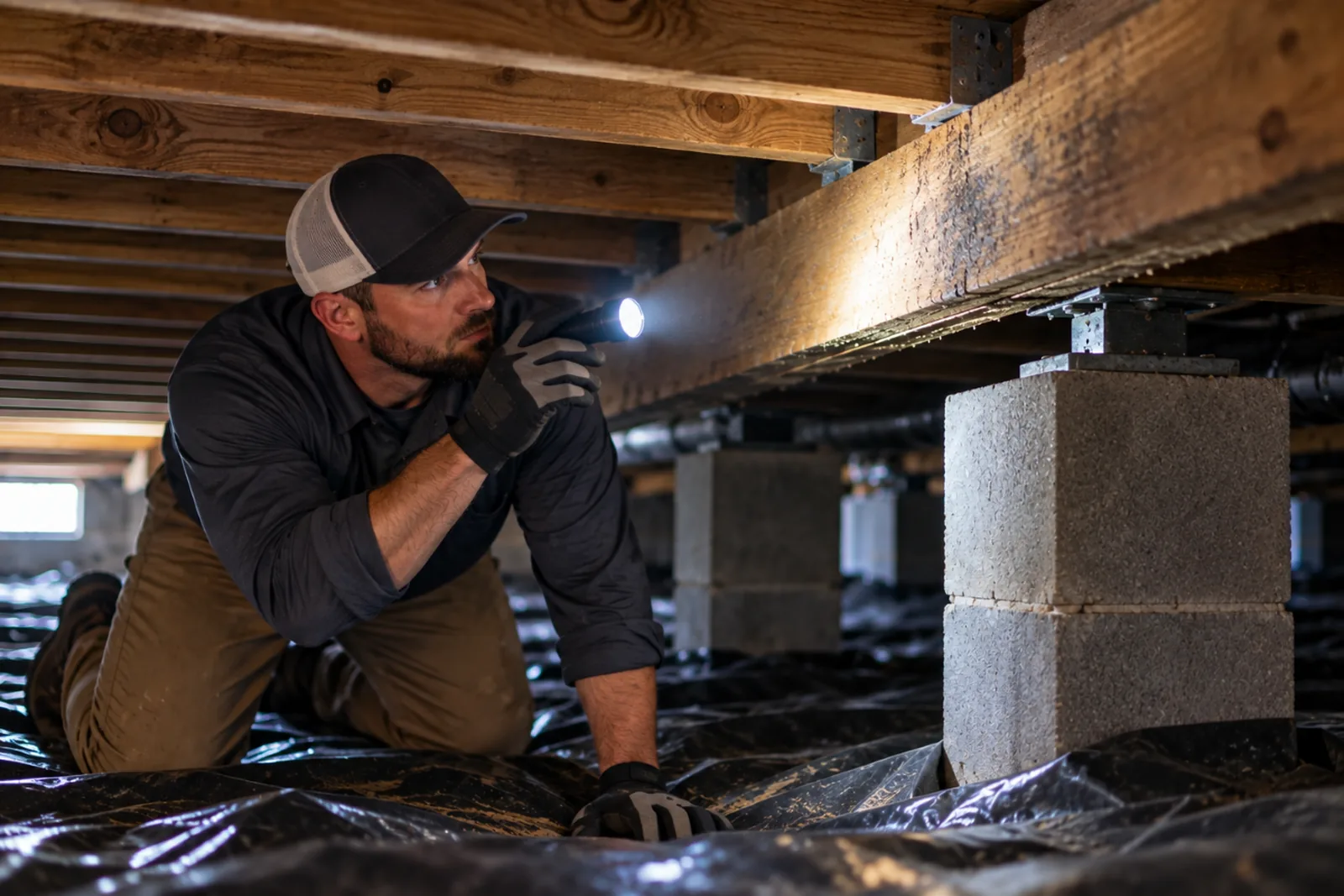
in Crawl Space
Fall is the season for a good scare. Your home shouldn’t be one of them.
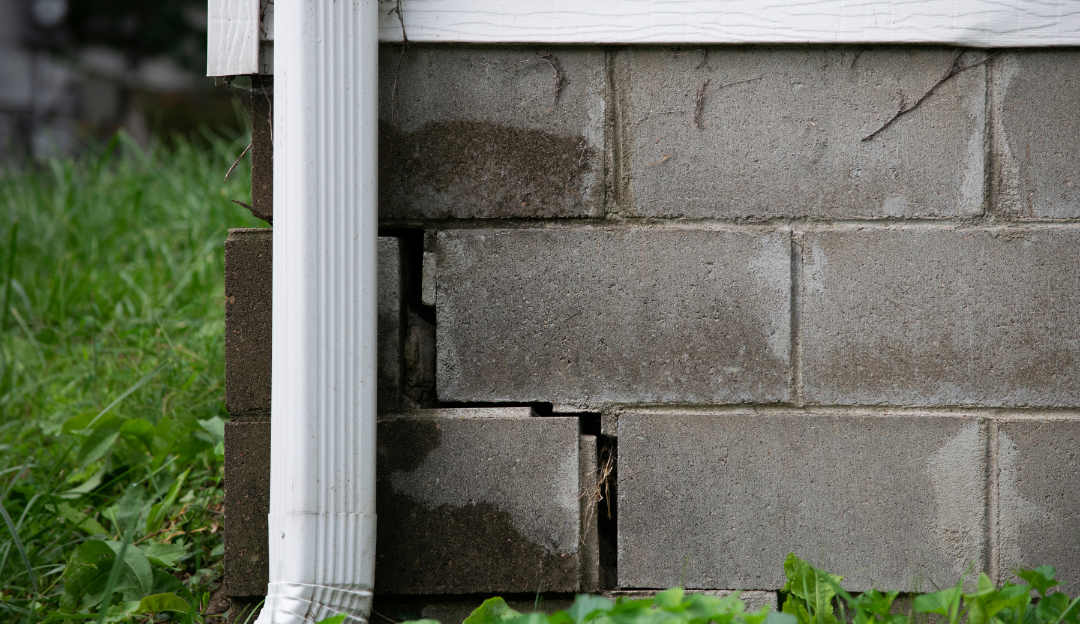
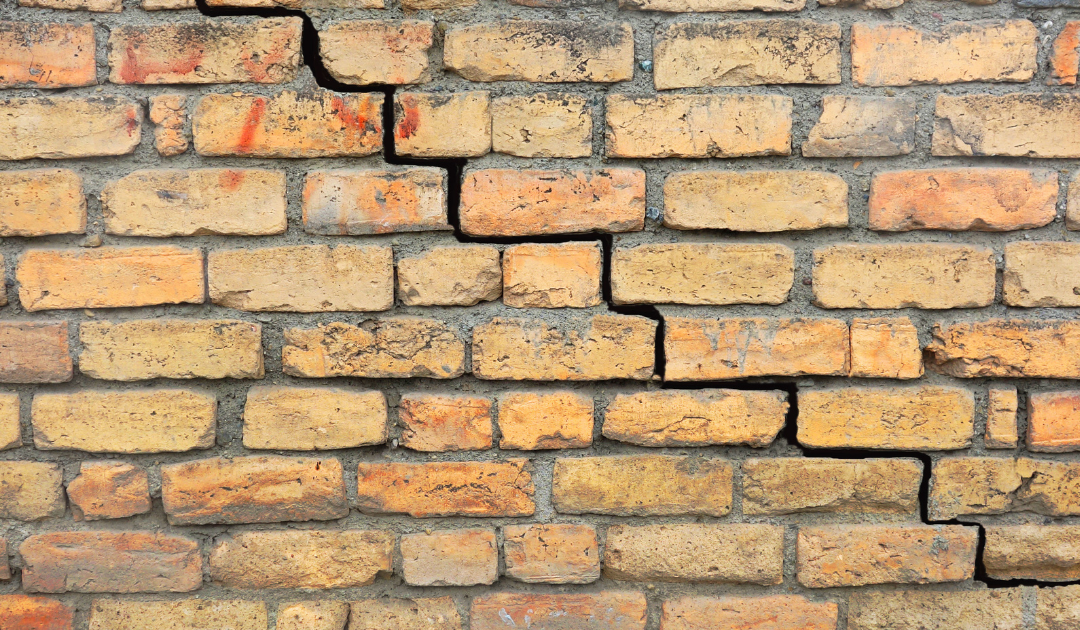
A crack in the wall. A floor that suddenly feels uneven. A door that refuses to close.
When something doesn’t look or feel right, it’s easy to jump to the scariest possibility: How serious is it, and how much is this going to cost me?
The good news is that these changes don’t always mean you’re facing a major structural repair.
The warning signs may be upstairs, but the source of the problem could be lurking below.
That’s where a structural inspection comes in.
What Is a Structural Inspection?
Think of a structural inspection as a closer look at the systems that keep your home stable and supported.
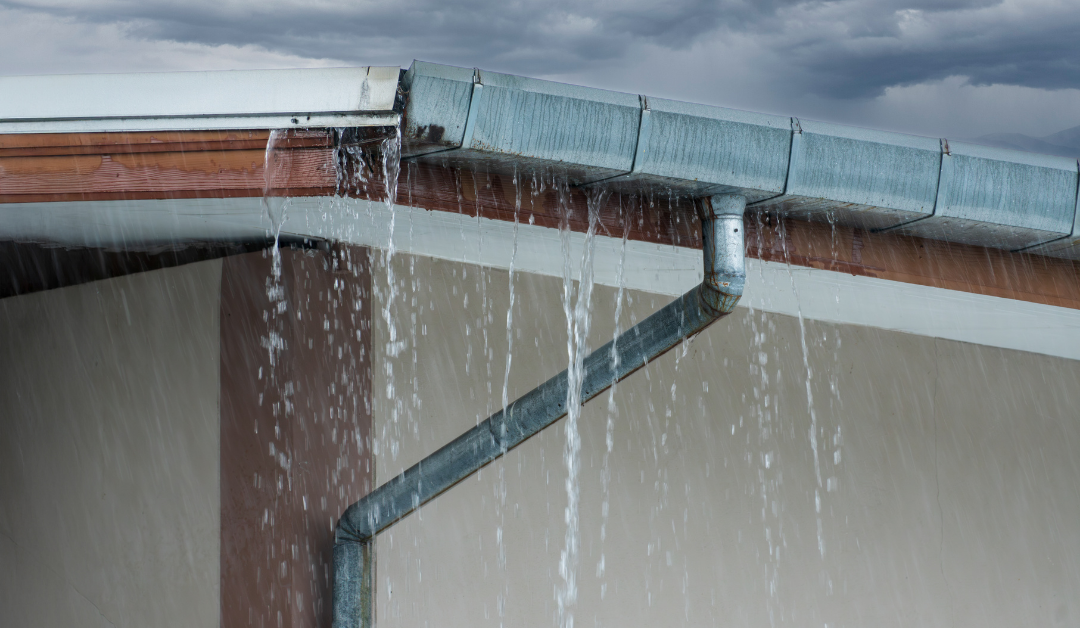
Visible warning signs don’t always tell the whole story. Changes inside the home may be connected to foundation settlement, damaged or inadequate supports, wood deterioration, moisture, drainage problems, or a combination of factors.
At Sherrill Structural Repair, the goal of an inspection isn’t to find the biggest repair possible. It’s to identify the source of the problem, explain the findings in terms you can understand, and help determine what, if anything, needs to happen next.
What to Expect During a Structural Inspection
You don’t need to know the difference between a joist and a girder before scheduling an inspection. That’s what the experts are for.
Every home and every concern is different, but in general, a structural inspection may include:
• Starting with what you’ve noticed. Be prepared to share what has changed, where you’re seeing it, and when you first noticed it.
• Taking a closer look. Depending on the issue, the inspection may include the foundation, crawl space, piers, joists, girders, or other structural supports.
• Looking for contributing factors. Moisture, drainage problems, wood damage, or foundation settlement may help explain what you’re seeing inside your home.
• Connecting the dots. The visible symptom is only part of the picture. The goal is to determine what may be causing it.
• Reviewing the findings. You should come away knowing more about the problem, your options, and whether action is needed.
The goal is simple: replace uncertainty with answers.
Structural Inspection vs. Home Inspection
So, how is this different from a regular home inspection?
A home inspection takes a broad look at many of the systems and components throughout a home. A structural inspection goes deeper into specific concerns involving the foundation and structural support systems.
While a home inspection can identify potential concerns, a structural inspection focuses on determining their cause and significance.
Get the Answers Your Home Needs
Sometimes an inspection confirms that a repair is needed. Sometimes an issue can be monitored or addressed later. And sometimes the problem isn’t nearly as scary as you imagined.
At Sherrill Structural Repair, homeowners get honest recommendations based on the findings, without unnecessary repairs or pressure.
Don’t let the unknown be the scariest part. Schedule a structural inspection and move forward with confidence.