




latest news
Recent Blog Entries
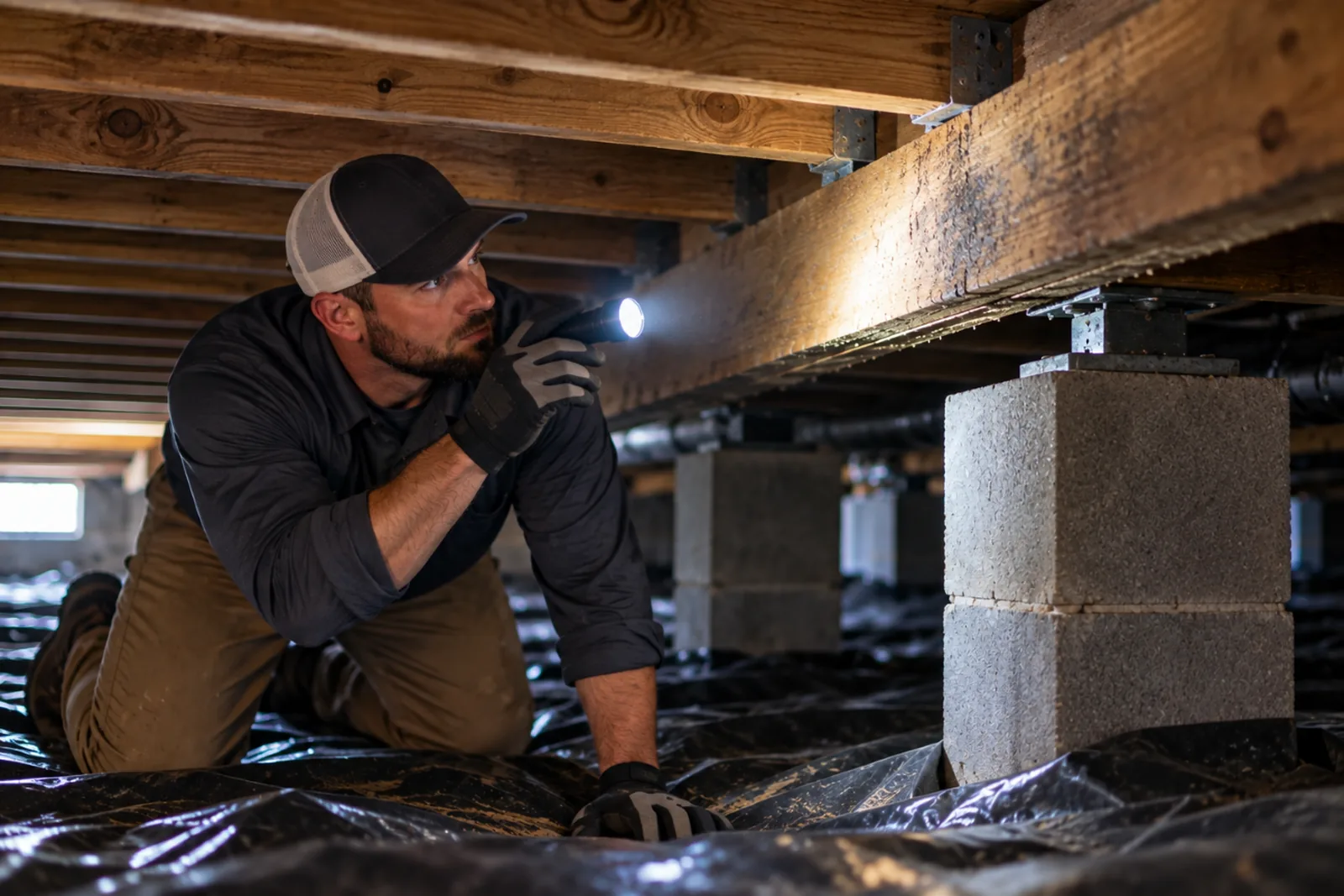
What Actually Happens During a Structural Inspection?
Fall is the season for a good scare. Your home shouldn’t be one of them.
A crack in the wall. A floor that suddenly feels uneven. A door that refuses to close.
When something doesn’t look or feel right, it’s easy to jump to the scariest possibility: How serious is it, and how much is this going to cost me?
The good news is that these changes don’t always mean you’re facing a major structural repair.
The warning signs may be upstairs, but the source of the problem could be lurking below.
That’s where a structural inspection comes in.
What Is a Structural Inspection?
Think of a structural inspection as a closer look at the systems that keep your home stable and supported.
Visible warning signs don’t always tell the whole story. Changes inside the home may be connected to foundation settlement, damaged or inadequate supports, wood deterioration, moisture, drainage problems, or a combination of factors.
At Sherrill Structural Repair, the goal of an inspection isn’t to find the biggest repair possible. It’s to identify the source of the problem, explain the findings in terms you can understand, and help determine what, if anything, needs to happen next.
What to Expect During a Structural Inspection
You don’t need to know the difference between a joist and a girder before scheduling an inspection. That’s what the experts are for.
Every home and every concern is different, but in general, a structural inspection may include:
• Starting with what you’ve noticed. Be prepared to share what has changed, where you’re seeing it, and when you first noticed it.
• Taking a closer look. Depending on the issue, the inspection may include the foundation, crawl space, piers, joists, girders, or other structural supports.
• Looking for contributing factors. Moisture, drainage problems, wood damage, or foundation settlement may help explain what you’re seeing inside your home.
• Connecting the dots. The visible symptom is only part of the picture. The goal is to determine what may be causing it.
• Reviewing the findings. You should come away knowing more about the problem, your options, and whether action is needed.
The goal is simple: replace uncertainty with answers.
Structural Inspection vs. Home Inspection
So, how is this different from a regular home inspection?
A home inspection takes a broad look at many of the systems and components throughout a home. A structural inspection goes deeper into specific concerns involving the foundation and structural support systems.
While a home inspection can identify potential concerns, a structural inspection focuses on determining their cause and significance.
Get the Answers Your Home Needs
Sometimes an inspection confirms that a repair is needed. Sometimes an issue can be monitored or addressed later. And sometimes the problem isn’t nearly as scary as you imagined.
At Sherrill Structural Repair, homeowners get honest recommendations based on the findings, without unnecessary repairs or pressure.
Don’t let the unknown be the scariest part. Schedule a structural inspection and move forward with confidence.

The Truth About Foundation Cracks: When to Worry and When to Wait
Not every foundation crack is a sign of trouble, but some deserve attention.
At Sherrill Structural Repair, one of the most common questions we hear is, "Should I be worried about this foundation crack?" Discovering a crack in your foundation can trigger immediate panic. Your mind starts racing: Is my house sinking? Will this cost thousands of dollars? Should I call someone right now?
Foundation cracks are surprisingly common, especially in the South where changing moisture levels, clay soils, and seasonal weather shifts can affect the soil beneath a home.
The good news? Not every crack signals a major structural problem.
Let's take a closer look at the difference between cracks that deserve attention and cracks that can simply be monitored.
Why Foundation Cracks Happen
Homes naturally settle over time. As the soil beneath your house expands and contracts with changing moisture levels, the foundation may shift slightly. These small shifts can lead to cracks.
Some common causes include:
1. Natural settling of the home
2. Seasonal expansion and contraction of soil
3. Heavy rainfall followed by dry periods
4. Poor drainage around the foundation
5. Tree roots affecting soil moisture levels
Understanding the cause of a crack is often more important than the crack itself.
Foundation Cracks That Are Usually Not Serious
While every situation is unique, some cracks are generally considered normal signs of settling. Even when cracks appear harmless, it's still a good idea to monitor them over time.
Here are a few types of foundation cracks that are often less concerning:
Hairline Cracks
Thin, narrow cracks that are less than 1/8 inch wide are often cosmetic and may not indicate structural issues.
Small Shrinkage Cracks
Concrete naturally shrinks as it cures. Minor shrinkage cracks may appear in newer foundations and are typically not a sign of foundation failure.
Vertical Cracks
Vertical cracks that run up and down a foundation wall are commonly caused by normal settlement and are often less concerning than other crack patterns.
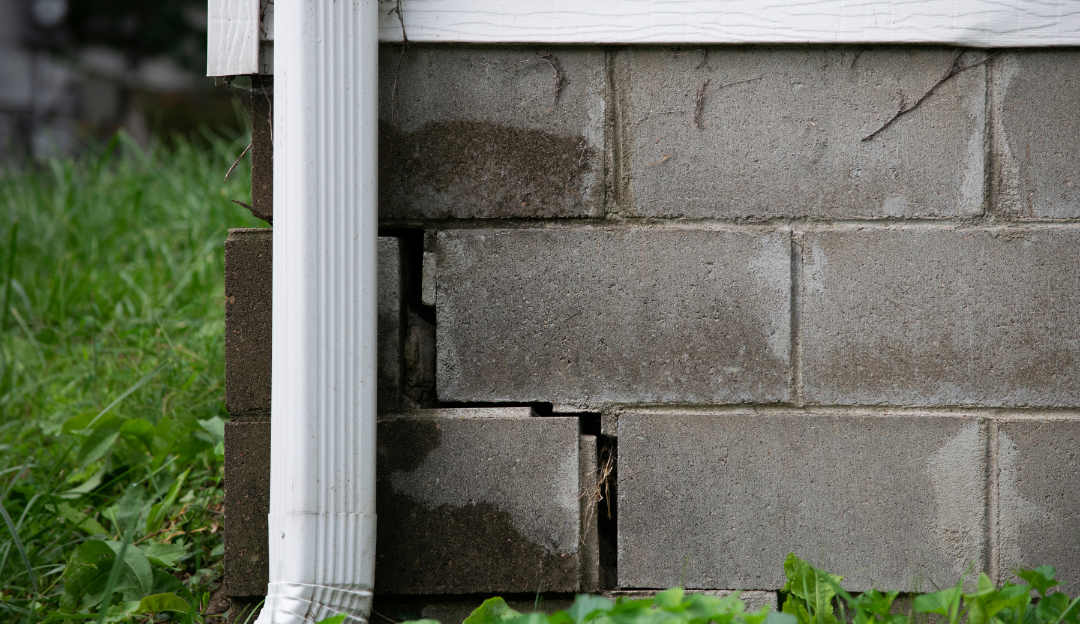
Foundation Cracks That Deserve Attention
Certain cracks can indicate movement that should be evaluated by a professional.
Horizontal Cracks
Horizontal cracks along foundation walls may suggest pressure from expanding soil pushing against the wall. These cracks should be inspected promptly.
Stair-Step Cracks
Commonly found in brick or block foundations, stair-step cracks can signal uneven settlement.
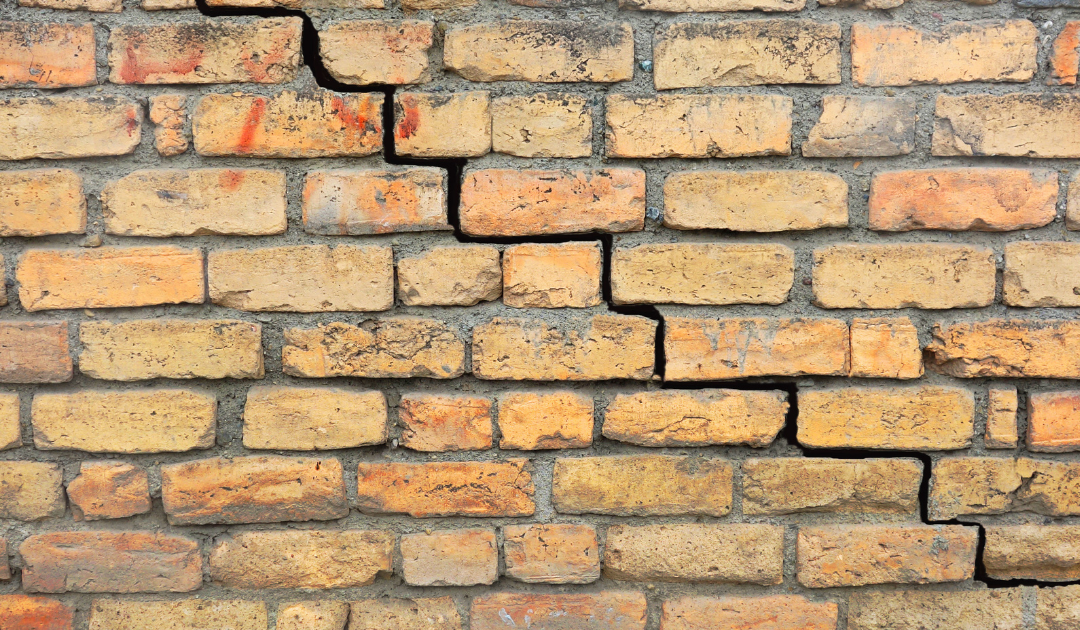
Wide or Expanding Cracks
Cracks wider than 1/4 inch or cracks that continue to grow over time may indicate ongoing foundation movement.
Cracks Accompanied by Other Symptoms
Pay close attention if you notice:
1. Doors or windows sticking
2. Floors that slope or feel uneven
3. Gaps around door frames
4. Cracks appearing in drywall
5. Water intrusion in crawl spaces or basements
These signs, combined with foundation cracks, may point to a larger structural issue.
Why Waiting Isn't Always a Bad Thing
One of the biggest misconceptions homeowners have is that every foundation crack requires immediate repair.
In reality, some cracks simply need to be observed over time. Understanding whether a crack is stable or changing can help determine whether the issue is cosmetic or something more significant.
At Sherrill Structural Repair, we've inspected many homes where immediate repairs were not necessary. Sometimes the most honest recommendation is to monitor the crack, address drainage concerns, and watch for any changes.
The best solution may simply be to gather more information before making a decision.
What You Can Do Right Now
If you've found a crack in your foundation, don't panic. There are a few simple steps you can take to help determine whether the crack is stable or actively changing:
1. Take clear photos of the crack.
2. Measure the width of the crack.
3. Mark the ends of the crack with a pencil and write down the date.
4. Check the area periodically to see if the crack has changed.
5. Address any drainage issues around your home.
These simple steps can help you track changes over time and provide valuable information if a foundation inspection becomes necessary.
When It's Time to Call a Professional
If you're unsure whether a foundation crack is cause for concern, a professional inspection can provide clarity and peace of mind. An experienced structural repair specialist can evaluate the crack, identify its cause, and recommend the most appropriate next steps.
At Sherrill Structural Repair, we believe homeowners deserve honest answers. Sometimes a repair is needed. Sometimes monitoring the crack is the best course of action.
If you have questions about a foundation crack in your home, contact our team for an honest evaluation and expert guidance you can trust.

April Showers Bring… Foundation Drainage Problems?
Hello springtime in the Carolinas. Afternoon rain showers return, grass is freshly cut, and flowers begin to bloom. After months of cold weather, it’s nice to finally enjoy warmer days again. But those spring rains can also create problems beneath your home, especially when it comes to foundation drainage problems.
Many homeowners don’t realize how much water can affect their foundation and crawlspace. Excess moisture and poor drainage can lead to foundation drainage problems, foundation movement, wood rot, and mold if left unchecked. The good news is that a little preparation now can help prevent costly repairs later.
At Sherrill Structural Repair, we help homeowners across the Charlotte area identify and address these issues before they become major problems. Here are a few simple steps you can take now to prepare your home before storm season ramps up.
How Heavy Rain Can Lead to Foundation Drainage Problems
In the Carolinas, spring rain can put extra stress on your home’s foundation. Clay-heavy soil reacts strongly to moisture, which can create stress on your home over time.
Heavy rain can lead to several issues around your home, including:
- • Soil expansion and contraction that can shift your foundation
- • Water collecting near the foundation when drainage isn’t working properly
- • Moisture buildup in crawlspaces, which can lead to mold and wood rot
- • Increased pressure against foundation walls
Even small drainage problems can allow water to build up around your home during heavy spring storms.
Check Your Gutters and Downspouts
Your gutters are one of the first lines of defense against foundation problems. Gutters and downspouts are designed to move rainwater away from your home, but when they’re clogged or draining too close to the foundation, water can quickly build up around the base of your house.
Before spring storms arrive, take a few minutes to check for these common issues:
- • Clogged gutters filled with leaves, twigs, and debris
- • Sagging or damaged gutters that prevent water from flowing properly
- • Downspouts that empty too close to the house
- • Overflow during heavy rain, which can dump water directly beside your foundation
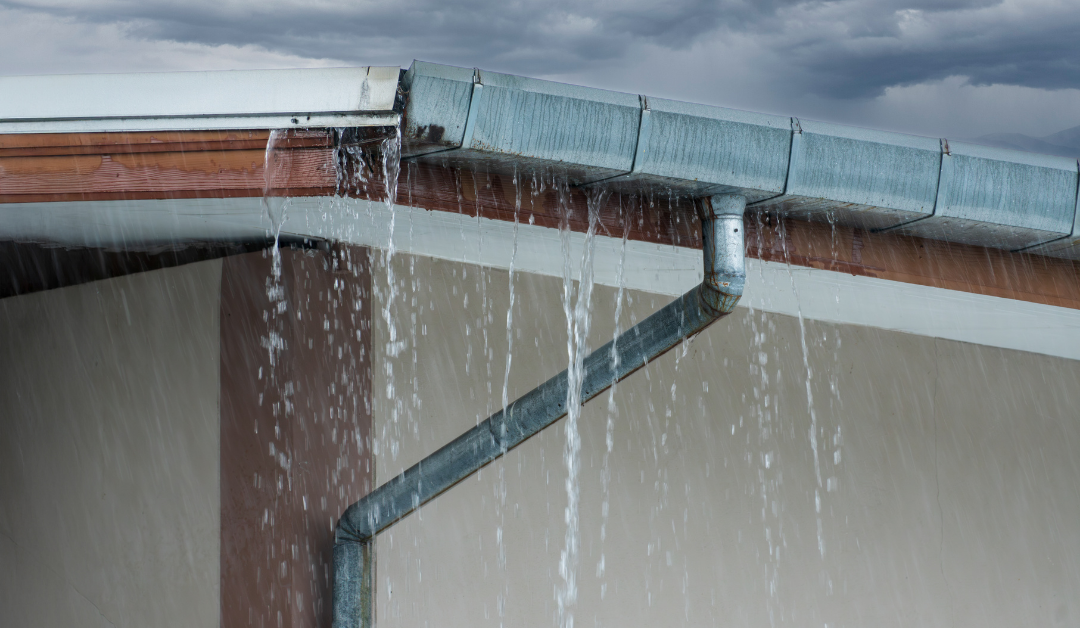
Quick Tip: Make sure your downspouts direct water at least 6–10 feet away from your home to prevent water from pooling around the foundation.
Inspect Your Yard Drainage
The ground around your home should slope away from the foundation, not toward it. When water collects near your house after a storm, it can seep into crawlspaces and put pressure on the foundation.
After a heavy rain, walk around your home and look for:
- • Standing water near the foundation
- • Soil that slopes toward the house
- • Erosion or washed-out areas around the home
Quick Tip: If water consistently pools near your home after rain, it may be a sign that drainage improvements are needed.
Check Your Crawlspace for Moisture
Spring rain often reveals problems that may have gone unnoticed during the winter months. Crawlspaces are especially vulnerable because they sit below ground level and can trap humidity.
Look for warning signs like:
- • Musty odors
- • Damp insulation
- • Visible mold or dark spots on wood
Addressing moisture early can help prevent wood rot, mold growth, and foundation drainage problems.
Watch for Early Foundation Warning Signs
Excess moisture and shifting soil can sometimes reveal foundation problems that were already developing.
Keep an eye out for:
- • Cracks in drywall
- • Doors or windows sticking
- • Cracks in brick or foundation walls
- • Uneven floors
If you notice these changes, it may be worth having a professional inspection.
Prepare Your Home Before Storm Season
Spring storms can reveal drainage and moisture issues that often lead to foundation drainage problems if left unaddressed.
If you’re unsure what you’re seeing, Sherrill Structural Repair is happy to provide an honest inspection and straightforward guidance.